From discussion threads to decision-making: how membership communities create real professional value
Most membership teams will recognize the kind of exchange that happens in a good member community. Someone posts on a Tuesday morning to ask how others are handling a new compliance requirement, and by lunchtime several people in similar roles have replied, one has shared the policy template their organization uses, and another has flagged a problem they ran into when they made the same change last year. Nobody on your staff team had to get involved, and the member ends up with a better answer than they would have found in any guidance document, because it comes from people who have already done the thing they're about to do.
That exchange is where a member community platform earns its keep, and it's a useful reminder of what a community is actually for. It's tempting to judge a community by how busy it looks, counting posts, logins and replies, but activity on its own doesn't tell you very much. The more useful question is what those conversations help people do, whether that's a member making a better decision in their day job or your association getting a clear read on what members think when it needs one.
Why peer conversation is the benefit members value most
When Marketing General Incorporated asked associations why their members join, "networking with others in the field" came top, chosen by 67% of respondents in its 2024 Membership Marketing Benchmarking Report, well ahead of continuing education at 42%. Most associations read that as an argument for investing in events, and events certainly matter, but the moments when members most need their peers rarely line up with the conference calendar. They tend to come up mid-project, when a regulation changes or when someone is facing a decision they haven't made before, and at that point next year's annual conference isn't much help.
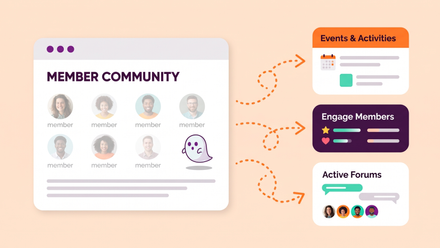
An online community for your association is the part of the membership that's available in those moments, which is also why a community that works only as a general discussion board tends to disappoint. The value comes from reaching the right peers quickly, and that depends far more on how the community is organized than on how many people have joined it. (We've written separately about why member communities go quiet and how to fix it.)
How a member community platform turns conversation into value
1. Members make better decisions in their own work
Peer advice is often more practical than anything an association can publish, because it comes from people working under the same constraints and dealing with the same problems right now. When members can ask a question in a specialist group, share a document or compare how they've approached something, individual experience becomes something the whole group can draw on. Over time, those threads also build into a searchable record of how members have handled common problems, so a conversation from last spring can still help someone facing the same issue this fall.
2. Your association hears from members faster
When you need a considered member view on a consultation, a policy position or a change to one of your own programs, the usual route of a survey followed by several rounds of email can easily take weeks, and the responses that come back are often thin. If members are already active in groups organized around their specialty or region, you can put the question directly to the people best placed to answer it, and what you get back is a discussion where members build on each other's points, rather than a set of checkbox responses you then have to interpret.
3. Members start leading work themselves
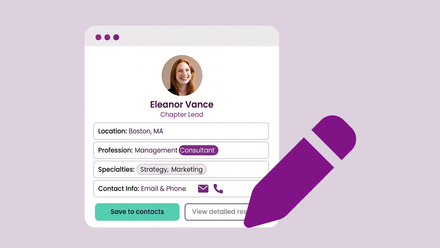
Once members can find and message each other directly, they no longer need staff to broker every introduction, and that changes what gets done. Working groups start to form around shared problems without anyone having to set them up, and the members driving them are often people who would never have put themselves forward for a formal committee but are happy to lead something that matters to their own work.
4. Engagement becomes something you can see
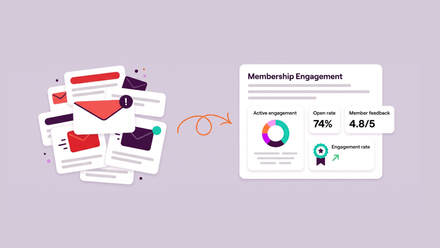
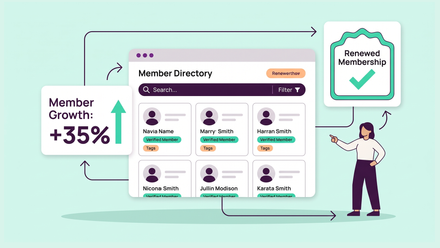
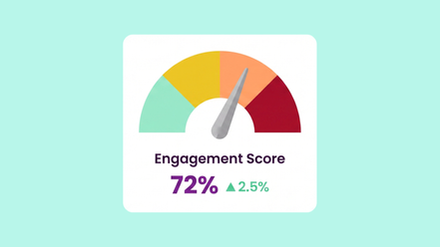
When the community sits inside your association management software rather than in a separate tool, a member's participation becomes part of their record, alongside their event bookings, purchases and email engagement. That gives your membership team something practical to work with, whether it's identifying regular contributors who might make good speakers or volunteers, or noticing members who've gone quiet well before their renewal date comes around.
What this looked like at AMOSSHE
AMOSSHE, The Student Services Organisation, represents 908 student services leaders across 234 UK universities, and before its move to ReadyMembership, its website couldn't host the range of work those members were involved in. As Communications Manager Julia Jean-Baptiste put it, members "didn't feel as one entity."
After the move, 81% of members logged into the new platform and 443 of them (49% of the membership) became active in discussion groups. The clearest operational effect was on government consultations: pulling together a coordinated member response used to mean weeks of outreach, but because members are now already talking in groups organized around their areas of work, AMOSSHE can turn those responses around in days.
It also changed the role of the staff team, as Julia explained:
Members no longer have us as their point of contact. They can directly take ownership of the sort of projects that they want to take on, and directly message the different members in our organisation.
Where to start with your own community
If you want to check whether your own community is creating this kind of value, these questions are a good place to begin:
- Does community activity show up in your CRM, or does it sit in a separate system with its own logins and member list?
- Are members placed in groups that match their specialty, region or role, or do they have to find them on their own?
- If you needed input from one segment of your membership next month, could you get it through your community?
- Can members message each other directly, without going through staff?
- Do you know which members contribute most, and are you inviting them to do more?
Where ReadyMembership fits
ReadyMembership's communities and groups module sits in the same platform as your membership records, events and email, so groups can be built from rules based on any CRM field and their membership updates automatically as member records change. Each group has its own discussions, documents, events and news, and because community activity is recorded alongside the rest of the member record, your team can see who's engaged and act on it. Read the full AMOSSHE case study, or explore the communities and groups features.