Beyond the membership fee: how to build new revenue streams through your AMS shop
Ask most association teams whether they have things they could sell beyond membership and the answer is usually yes. There's the research report that gets emailed out on request, the webinar recordings sitting in a shared drive, and the conference that non-members keep asking about. The trouble is that each of those sales tends to come with a bit of admin attached, and when your team is already busy with renewals and events, that admin is often the thing that stops non-dues revenue from growing.
If that sounds familiar, you're in good company. In Naylor's 2025 benchmarking survey of North American associations, growing non-dues revenue came out as the top challenge for the third year in a row, and the biggest barriers people named were understaffing and limited resources rather than a lack of ideas.
The good news is that a lot of that admin disappears when your shop sits inside your membership system. Here's what that looks like in practice, and where to start.
Why a separate shop makes everything harder
If your events run on one platform, merchandise sits in a third-party store and reports are sold by invoice, every sale means someone checking whether the buyer is a member, applying the right price and updating the finance system by hand. You also lose the useful part, which is knowing who bought what. A report sale is just a report sale, rather than a sign that a lapsed member is still interested or that a non-member is warming up to joining.
When everything goes through your AMS, member prices apply automatically, payments land where they should, and each purchase shows up on the contact's record. The time saving can be significant: NACA, the National Association of Campus Activities, saved around 16 hours a week on large event bookings alone once they moved onto ReadyMembership.
Four things most associations could be selling
1. Places for non-members at your events
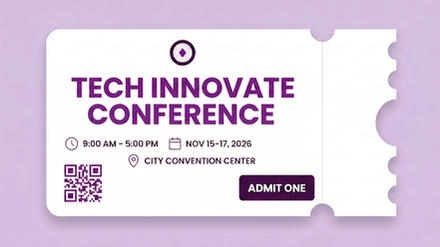
If people outside your membership regularly ask to attend, give them a clear non-member price rather than handling it case by case. It's straightforward income, and someone who has paid to come along has already seen what you offer, which makes them a much warmer membership prospect than a cold contact.
2. Reports and guidance you already produce
Free for members and priced for everyone else is a simple model that works well for a lot of organizations. Some associations charge members too, and that can be the right call, but it's worth making it a deliberate decision rather than letting it happen by default.
3. Webinar recordings
Once a session is recorded, it costs you next to nothing to sell again. Add CPD credit where it makes sense and last year's webinar becomes a small but steady source of income.
4. Directory listings and job board posts
These suit trade bodies and professional associations alike, because they give suppliers and employers a reason to pay for access to your community. RIMPA Global in Australia, for example, runs both a jobs board and a supplier directory on its ReadyMembership platform.
Get your member pricing working for you
It's surprisingly common for a member discount to be set at launch and then never looked at again. If the gap between member and non-member prices is small, your shop isn't doing much to sell membership. If it's clear and generous, every product page quietly makes the case for joining.
You can go further by pricing by membership grade, so senior or organizational members get better rates or early access to new content. And for bigger purchases like conference passes or accreditation fees, letting people pay in two or three installments can make a real difference for members who are paying out of their own pocket.
Use what people buy to keep them engaged
Once purchases sit on the member record, you can actually do something with them. Someone who booked the conference but not the pre-conference workshop can get a quick nudge about the workshop. A non-member who bought a report can be invited to a related event, with a membership offer alongside it. Purchases can also feed into your engagement scoring, so you have a clearer picture of who's getting value from their membership well before renewal time comes around.
That joined-up view was one of the reasons the European Association for International Education moved to ReadyMembership. As Project Manager Jackie van Doorn put it:
One of the driving forces behind our transition to ReadyMembership was our need for one unified platform that would be capable of managing membership, event registrations and more without the need for custom integrations.
Where to start
You don't need to launch a full catalog on day one. Start with a quick list of what you already have:
- Anything you currently email out on request or invoice manually
- Recordings and training sessions you're not selling yet
- Events that non-members ask to come to
- Listings or advertising you already offer informally
- Member discounts that haven't been reviewed in a while
That list will usually show you where the quickest wins are, and which products should be members-only or priced by grade.
Where ReadyMembership fits
ReadyMembership's eCommerce module is built into the membership platform, so member and grade-based pricing, product visibility and purchase history all work without extra integrations. Payments sync with Xero through a two-way integration, or export to QuickBooks, so nobody is re-keying shop income at the end of the month. The Colorado League of Charter Schools saw annual conference bookings rise 10% and event and webinar bookings rise 15% after moving onto ReadyMembership. Read the Colorado League case study, or take a look at the eCommerce features.