Why membership software implementations fail without change management
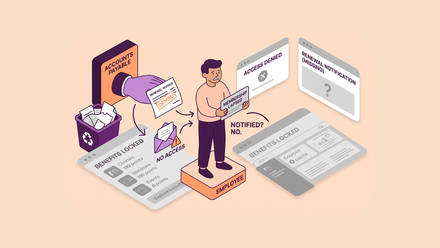
When organisations decide to invest in new software, I often see the focus land on functionality, features and return on investment. These are all important considerations. However, in my experience, there is another factor that has just as much impact on success, and it is far less technical. People. Membership software implementation change management is what bridges the gap between buying great software and actually achieving meaningful results from it.
As a Customer Success Manager at Pixl8, I work closely with clients throughout their onboarding journey. This includes early discovery and requirements gathering, delivering training, guiding teams through new processes, supporting system setup and ultimately helping them launch their new site and system. One of the clearest patterns I see across projects is that the ease and success of this work depends heavily on how well change is managed within the organisation.
ReadyMembership is a powerful, unified platform that brings CRM, CMS, events, email marketing and finance together in one place. It reduces duplication, simplifies administration and supports more efficient ways of working. Its real strength lies in its personalisation and automation capabilities, but these benefits are only realised when organisations invest time in understanding, configuring and adopting the system properly. I often remind clients that software does not configure itself while everyone carries on as normal. This is especially true for teams moving away from legacy systems or disconnected tools — organisations that have spent years juggling spreadsheets and separate platforms for CRM, email, events and finance. Without proper change management, those habits follow them into the new system, and the automation and integration that made the platform worth buying never gets used.
When change management is overlooked, even the best system can struggle to gain traction. When it is handled well, I consistently see faster AMS implementation, stronger engagement from staff and a far greater return on investment.
Why people, not software, determine AMS implementation success
For me, change management is about helping people move from what feels familiar to something new with confidence. It is about ensuring teams understand why the change is happening, what benefits it will bring and how it will affect their day-to-day work. It is also about creating space for questions, concerns and learning, all of which are completely normal reactions to change.
It is usually very easy for me to spot when the wider team was not involved in the decision to move to a new system. Resistance often shows itself through low training attendance, limited engagement during sessions and very little time spent practising or exploring the new platform. This is rarely about ability. More often, it reflects a lack of connection to the change or uncertainty about how the new system will help them.
I have seen time and again that teams without the time, motivation or support to learn and set up the new system experience challenges after launch. These typically include a high volume of support queries, inefficient workarounds and frustrated staff and members. Investing time before launch to bring people along on the journey significantly reduces these risks.
ReadyMembership gives organisations the ability to automate processes, personalise member journeys and gain clearer insight across their operations. To unlock this, I encourage teams to step back and think carefully about how they work now, how they want to work in future and how the platform should support that vision. When this step is rushed or skipped, frustration and missed opportunities are almost inevitable.
What to assess before your AMS migration begins
When I work with organisations planning a move to ReadyMembership, there are several key factors I always encourage them to consider early on.
Staff buy-in
I always ask whether the change has been clearly communicated to staff. Do they understand why it is happening and what problems it is meant to solve? Have they been involved in identifying requirements or contributing to the decision? From my experience, involvement builds ownership and significantly reduces resistance.
The current temperature
Understanding how people feel about the change is crucial. Are they anxious, weary, resistant or excited? When I understand this, I can help tailor communication, training and support in a way that meets people where they are.
Technical ability
Technical confidence varies widely across teams. ReadyMembership is a powerful and complex system, and not everyone finds learning new software easy. I always advise clients to consider their team’s experience with CMS, CRM, event management or finance systems and plan training and support accordingly.
Capacity to learn
One of the most common challenges I see is a lack of time. I always encourage organisations to be honest about whether staff genuinely have time to attend training and practise using the system before launch. Learning alongside existing responsibilities requires space, not just enthusiasm.
Capacity to set up the platform
Equally important is having time allocated for system setup. ReadyMembership’s automation and personalisation are only effective when the configuration reflects real processes and goals. Without this time, teams often struggle to see the system’s full value. Teams moving from legacy systems often underestimate this step. The manual processes they relied on before — pulling reports from multiple tools, reconciling data in spreadsheets, sending communications from disconnected platforms — need to be actively replaced with configured automation, not simply carried over.
Dedicated support and champions
We often take a train-the-trainer approach, where selected individuals attend training sessions with us and then support their wider team. While this can work well, I have also seen it fall short, particularly in larger teams. Team leads may not be aware of every task their team carries out, may not ask the questions their team would ask, or may unintentionally miss important steps when training others.
For this reason, I always stress how important it is to choose trainers carefully. They should understand the day-to-day work involved, feel confident asking questions, and have the time and patience to support colleagues effectively.
Previous experience of change
I also encourage organisations to reflect on past system changes. How did they go and how did they feel for the staff? These experiences often shape attitudes towards new projects, whether positively or negatively.
Feelings about the current system
Even when a system causes frustration, it can still feel comfortable simply because it is familiar. Acknowledging this helps manage the emotional side of change, not just the practical aspects.
Timeline realism
Finally, I always challenge teams to consider whether their timeline is realistic once all of the above factors are taken into account. A well-paced project reduces pressure and leads to better outcomes for everyone.
Supporting Adoption Beyond Training
From my experience, training alone is rarely enough to support long-term adoption. I strongly recommend creating clear, accessible how-to guides for both staff and members. Simple, step-by-step process guides reduce stress by providing quick answers without the need to rewatch training recordings or search through lengthy user documentation.
I often recommend tools such as Scribe for this purpose, although there are many excellent screen recording and documentation tools available. The key is making guidance easy to find and easy to follow.
Technical confidence is another important consideration. If a trainer struggles to understand how the system works themselves, they will struggle to teach others. Ensuring that trainers are comfortable with software systems creates a stronger foundation for wider adoption across the organisation.
How to build a change management strategy for your AMS rollout
In my experience, successful change does not happen by accident. It relies on having clear, documented foundations in place, including:
- A site plan
- A platform strategy plan
- Documented requirements
- Clear descriptions of current processes
- Agreed future processes
- A shared vision of what success looks like
If your organisation is migrating from a legacy system that is being discontinued, or consolidating several disconnected tools into one platform, this step is even more critical. The more fragmented your current setup, the more important it is to document what you are replacing and why, so that new processes are designed with intention rather than inherited by default.
I also encourage organisations to look at the history behind their current processes. Who created them? Are they still with the organisation? How do they feel about changing them? These details often have a bigger impact on change than people expect.
The ROI of getting membership software change management right
When organisations invest in change management, they protect both their people and their investment. From what I see across projects, staff feel supported rather than overwhelmed, adoption is higher, and organisations are far more likely to benefit from the automation, personalisation and insight that ReadyMembership offers. Perhaps the most honest description of what a well-managed implementation feels like came from a member of the PRII team after their move to ReadyMembership: "We absorbed that things would be different for our members. We didn't realise our own jobs would change forever. How we work, how we think — it's all different now." That kind of shift does not happen by accident. It happens when people are brought along with the change, not left behind by it.