31 Jul 2026

Choosing and switching your AMS: a complete guide for membership organizations
Most associations approaching an AMS decision have already spent months, sometimes years, in a holding pattern. They know something isn't working. They're not sure whether the platform is genuinely the problem or whether a new system would simply inherit the same issues in a different interface. They don't know how to run an evaluation process that produces a reliable answer rather than a vendor-led one. And when they finally make a decision, they discover that implementation is a different kind of challenge from selection, one that is as much about people and process as it is about technology.

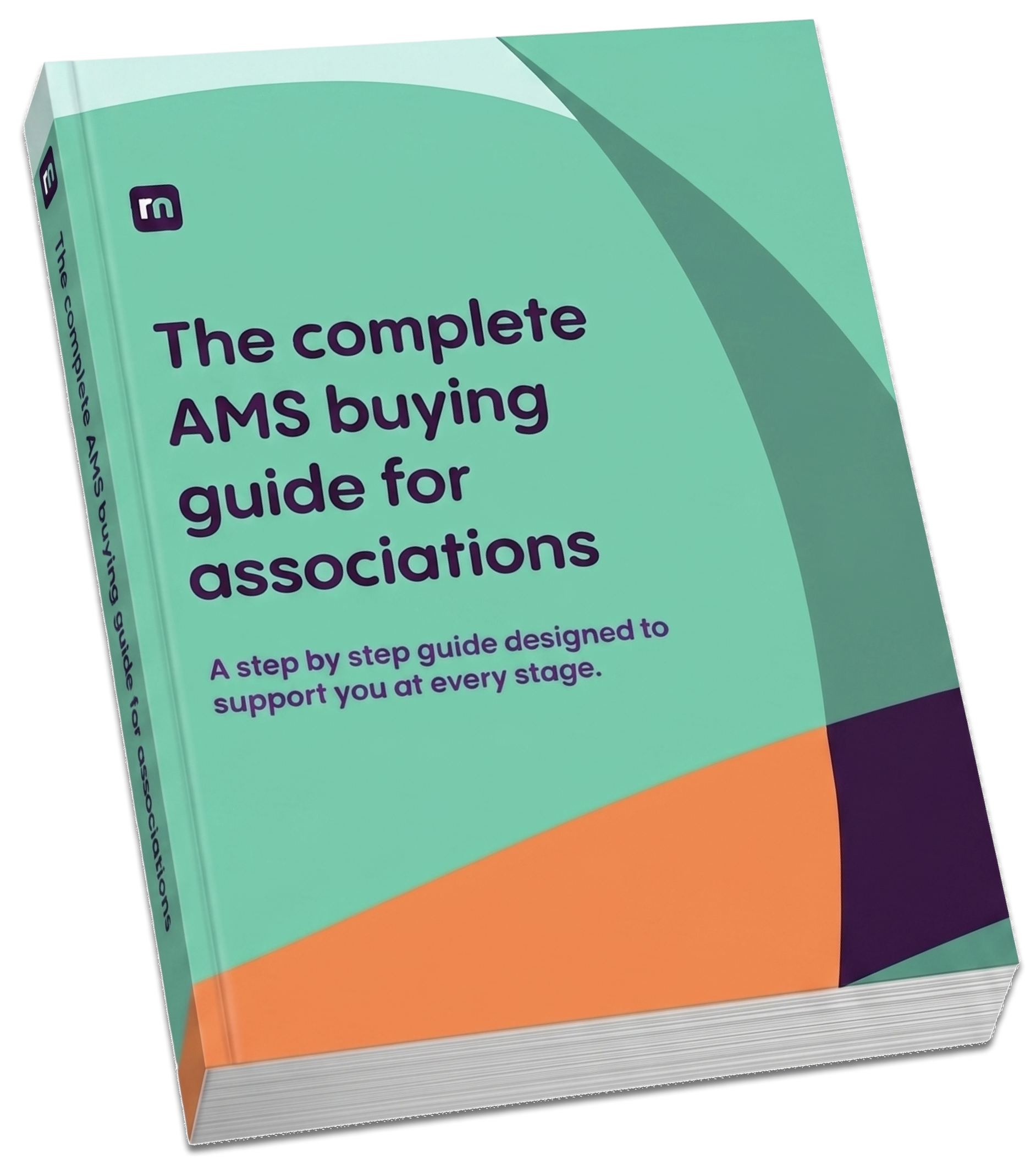
This guide was written to address all three stages in sequence. It is structured as three parts, each covering a different phase of the journey, plus a practical checklist designed to be used as a working reference throughout. Here is what each component covers and how they fit together.

Part 1: Is your AMS the problem? A guide to deciding whether it's time to switch

The first question any association should answer before starting a selection process is the one most of them skip: is the platform actually the limiting factor? Part 1 starts there. It works through the conditions in which a switch is genuinely warranted and the ones in which the real problem lies elsewhere, whether in training gaps, process design, data quality, or a vendor relationship that has never been properly escalated.

For associations where the platform is the problem, Part 1 identifies the most reliable indicators: a parallel stack of compensating tools that has grown up around the core system, reporting that requires manual assembly, configuration changes that cost far more than they should, and a member-facing experience that generates regular complaints or requires staff to step in. It also addresses the cost of staying, which is rarely calculated but consistently underestimated.

The section closes with a scored self-diagnostic, a set of thirteen statements across operational, financial, member experience, and strategic dimensions, which provides a concrete starting point for the leadership conversation about whether a full selection process is the right next step.

Read Part 1: is your AMS the problem?


Part 1a: AMS evaluation checklist

The checklist is designed to be used throughout the selection process, not read once at the start. It is organized into four sections, each corresponding to a different phase and a different audience within the organization.

  • Section 1 is a board briefing checklist for the executive director or CEO building the internal case for change.
  • Section 2 is a staff readiness assessment for the project lead, covering the people, data, process documentation, and organizational alignment that needs to be in place before going to market.
  • Section 3 is a requirements gathering framework for the cross-functional evaluation team, structured across membership management, events, finance, communications, website and member experience, reporting, and credentialing.
  • Section 4 is a vendor scorecard for the demo and proposal stage, with weighting across functional fit, implementation and migration experience, total cost of ownership, vendor stability, and user experience.

The checklist is available to download as a PDF from the Part 1 page.

Download your AMS evaluation checklist


Part 2: How to select the right AMS: a guide to running a rigorous evaluation process

Once the decision to evaluate has been made, most associations underestimate how much damage a poorly structured selection process can do. Part 2 is a step-by-step guide to running a process that produces a reliable outcome rather than a vendor-led one.

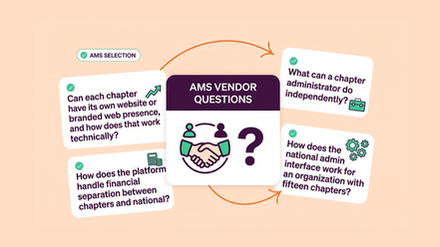
It covers internal alignment before any vendor is contacted, including how to define success criteria rather than a feature list, why finance is the department most consistently left out until too late, and how to set and apply a budget range from the start. It then walks through building the RFP, covering the thirteen sections a well-structured AMS RFP should contain and why the structure matters. It addresses how many vendors to include and why casting the net too wide creates its own problems. The section on demos explains how to take control of the process by providing scripted scenarios drawn from your actual workflows, and includes questions that consistently surface capability gaps a standard demo would never reach. Reference calls are covered with specific questioning approaches designed to get past the endorsement and into the experience. The section on total cost of ownership covers how to model across a five-year horizon rather than year one in isolation, including staff time savings from automation, integration maintenance costs, and exit risk.

Part 2 closes with a market landscape overview of the four platform categories in 2026, providing useful context for building a longlist that reflects your association's actual needs rather than a vendor's pitch.

Read Part 2: How to select the right AMS


Part 3: Preparing for your ReadyMembership implementation: what to expect and how to get ready

Part 3 is specific to associations that have selected, or are seriously considering, ReadyMembership. It covers what the implementation process actually involves and, more importantly, what the organization needs to own at each stage.

It maps the five implementation phases: discovery, production, training, readiness, and go-live, with a clear account of what happens in each and what the association's responsibilities are. It covers the timeline in detail, including the key variable of whether the full project is signed off at the outset or discovery is confirmed first, and how to build a realistic go-live date around your own renewal cycle and events calendar. The data migration section covers the import template process, the mid-project validation milestone, the data freeze period, and the data quality work that associations consistently underestimate, with specific guidance on the problems that most commonly cause delays.

The section on team structure explains the roles involved in a ReadyMembership implementation and how they relate to each other. The post-go-live section covers the 60-day warranty period and what to expect in the transition to the ongoing support relationship.

The section that most associations say they wish they had read first is on internal readiness: getting every department involved from the start, identifying resistors early, building a steering group, briefing the executive team regularly, and treating implementation as a process improvement exercise rather than a technology migration. The associations that go live smoothly work both tracks, technical and organizational, from day one.

Download Part 3: ReadyMembership implementation


Want to read more from the AMS buying guide?